


785.00

Location: ON Site
Emergency Vehicle Driving (EVOS)
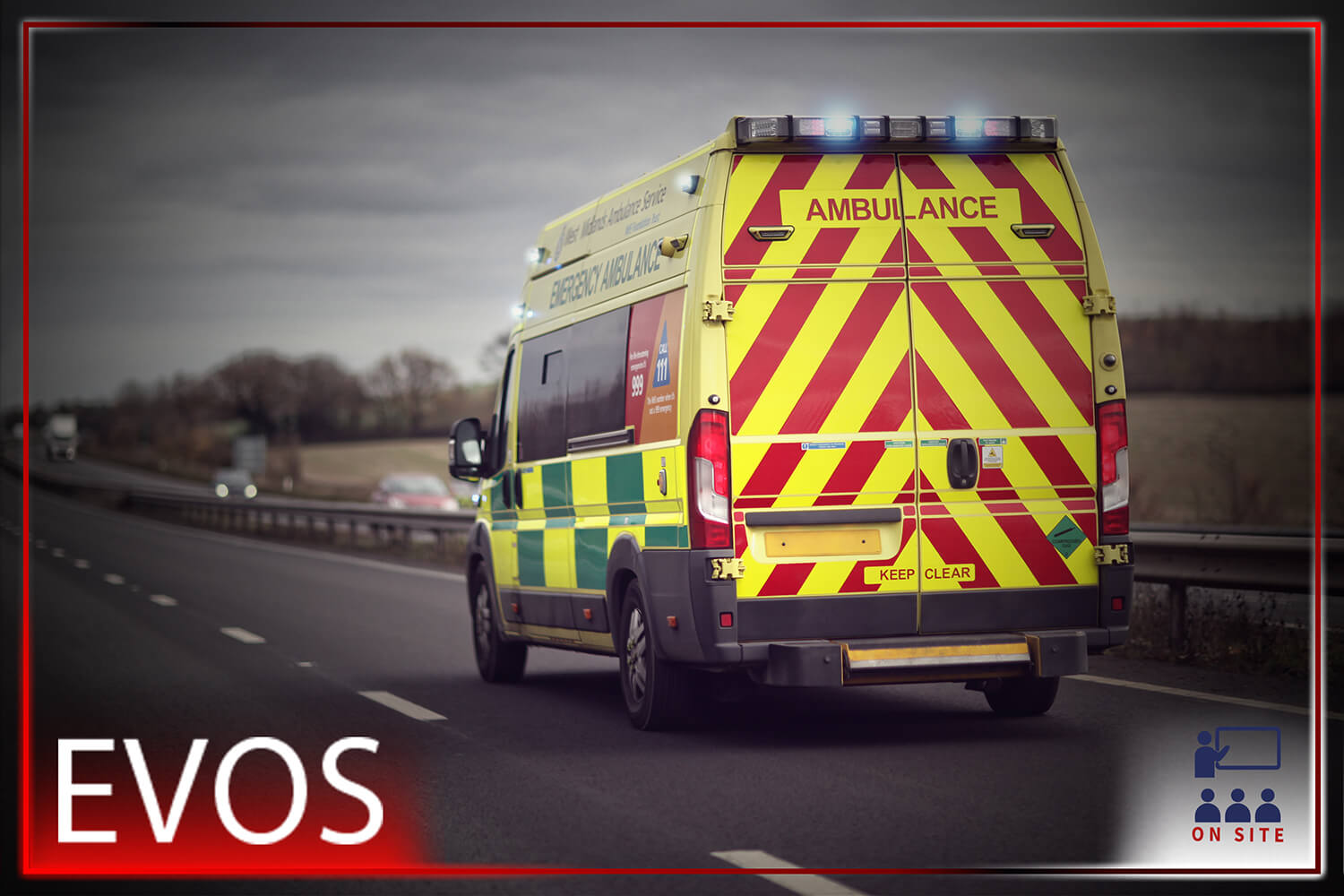
The Emergency Vehicle Operator’s Course (EVOS) is an intensive training program that aims to provide emergency drivers with the skills and knowledge needed to drive emergency vehicles in a safe and effective manner. This course is usually aimed at people working in emergency fields such as firefighters, ambulance and police, where driving in these situations is vital.
The EVOS course consists of a combination of theoretical lessons and hands-on training. On the theoretical side, participants learn the basic concepts of traffic laws related to emergency vehicles, traffic safety, effective communication and coordination with other emergency teams. This also includes studying emergency driving strategies and analyzing situations based on real cases.
On the practical side, participants are provided with opportunities to practice practical emergency vehicle driving skills. This includes training drivers on emergency response techniques such as avoiding obstacles, stopping quickly, and negotiating sharp turns. Vehicles equipped with simulators are used to provide a realistic and safe training environment to practice and enhance driving skills.
In addition, participants are introduced to the importance of maintaining and servicing emergency vehicles on a regular basis, to ensure their efficient and safe operation. Attention is also given to technical details related to the operation of emergency vehicles such as emergency lighting and other additional equipment that drivers should be aware of.

Share via:

Lessons duration:6 hrs/day
Course Duration: 2 Days

The Emergency Vehicle Operator’s Course (EVOS) is an intensive training program that aims to provide emergency drivers with the skills and knowledge needed to drive emergency vehicles in a safe and effective manner. This course is usually aimed at people working in emergency fields such as firefighters, ambulance and police, where driving in these situations is vital.
The EVOS course consists of a combination of theoretical lessons and hands-on training. On the theoretical side, participants learn the basic concepts of traffic laws related to emergency vehicles, traffic safety, effective communication and coordination with other emergency teams. This also includes studying emergency driving strategies and analyzing situations based on real cases.
On the practical side, participants are provided with opportunities to practice practical emergency vehicle driving skills. This includes training drivers on emergency response techniques such as avoiding obstacles, stopping quickly, and negotiating sharp turns. Vehicles equipped with simulators are used to provide a realistic and safe training environment to practice and enhance driving skills.
In addition, participants are introduced to the importance of maintaining and servicing emergency vehicles on a regular basis, to ensure their efficient and safe operation. Attention is also given to technical details related to the operation of emergency vehicles such as emergency lighting and other additional equipment that drivers should be aware of.
| Date | 4/07/2026, 12/07/2026, 8/07/2026, 7/07/2026, 5/07/2026, 4/07/2026, 12/07/2026 |
|---|
"1. Prepare to keep up with the knowledge of machinery and emergency equipment.
2. The participant understands and performs the routine maintenance of their emergency vehicles and their role and responsibility in this process.
3. Explain the value and importance of periodic vehicle inspection.
4. Recognize the major component systems of an emergency vehicle.
5. Describe how pre-flight and post-flight inspections are conducted.
6. List the three types of preventive maintenance."
Accredited by: National Association of Emergency Medical Technicians (NAEMT)
2 reviews for Emergency Vehicle Driving (EVOS)
| 5 star | 100% | |
| 4 star | 0% | |
| 3 star | 0% | |
| 2 star | 0% | |
| 1 star | 0% |
Q & A
Related products

EMTC’s First Aid course is a specialized training course that aims to provide participants with the skills and knowledge needed to provide immediate and early first aid in health emergencies. The First Aid course is characterized by providing integrated practical and theoretical training covering a wide range of topics related to first aid. Trainees are [...]

Advanced Cardiac Life Support (ACLS) Course Designed for healthcare providers and aims to develop skills in managing cardiac arrest, cardiac arrhythmias, heart and respiratory attacks, and critical conditions inside and outside the hospital. The course focuses on teamwork, rapid decision-making, electrocardiogram (ECG) interpretation, advanced medication use, and airway management according to the latest Saudi Heart [...]
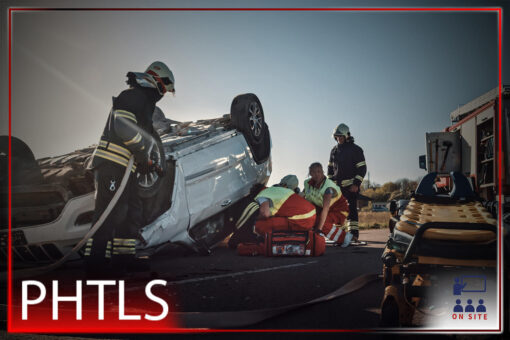
The Pre-hospital Trauma Life Support (PHTLS) course is a training program designed to teach participants how to manage emergency situations and acute injuries before the patient arrives at the hospital. This course was developed by the National Association of Emergency Medical Technicians (NAEMT) in cooperation with the American College of Surgeons (ACS).
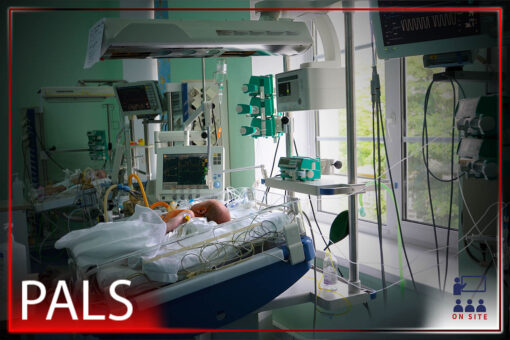
The Pediatric Advanced Life Support (PALS) course is a specialized training program designed to develop the necessary skills for providing emergency care to children with life-threatening conditions. PALS is one of the most prominent training courses for medical teams dealing with pediatric healthcare, such as doctors, nurses, and paramedics. The PALS course includes advanced respiratory [...]
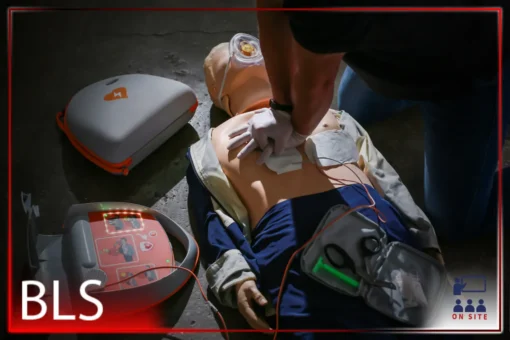
Basic Life Support (BLS) is a course designed to teach individuals how to provide critical first aid to people with life-threatening emergencies. The BLS course aims to enable participants to acquire the basic skills and knowledge needed to deal with vital emergencies that include loss of consciousness, cardiac arrest, and respiratory arrest. Participants are trained [...]


احترافية عالية وتعاون ممتاز